Can Wood Floors Be Recoated Without Sanding?
An intact wooden floor finish may be recoated without full sanding. Preparation, compatibility and adhesion still matter.

A damaged wooden floor does not always need replacing. Scuffs and a worn finish may be improved by sanding, while loose boards, deep cracks and moisture-related damage often need repairs first. The right approach depends on the timber, how much usable wood remains and what is causing the problem.
If you are concerned that your floor is beyond saving, the first step is to identify whether the damage is mainly at the surface or affects the boards and subfloor beneath. Sanding can renew suitable timber; it cannot make unstable or rotten wood sound.
Often, yes. Professional wood floor sanding in London removes a controlled amount of material from the surface of a suitable wooden floor, along with old coatings. It can help with a worn finish, many shallow scratches and some surface discolouration.
However, sanding has limits. A floor may need repairs before refinishing if boards are lifting, split, loose or affected by water. Some floors are also too thin to sand safely, particularly engineered boards with a thin hardwood wear layer or timber that has already been sanded several times.
An assessment should establish the floor's construction, condition and remaining sanding allowance before any machine work begins.
Light scratches and tired lacquer or oil finishes are among the most common reasons to consider sanding. If the boards are stable and have enough usable timber, refinishing can often improve the overall appearance of the room.
A floor with only light wear may not need a full resand. Wood floor maintenance, including suitable cleaning and protective treatments, may be a less invasive option depending on the existing finish.
Deep gouges or dents may extend below the depth that can safely be sanded. Split, damaged or unstable boards should be assessed for targeted wood floor repairs rather than simply removing more material from the surrounding floor.
Local repairs might involve securing a board, addressing a split or replacing an individual section with compatible timber. Once the repaired area is stable, sanding and finishing may be considered if appropriate.
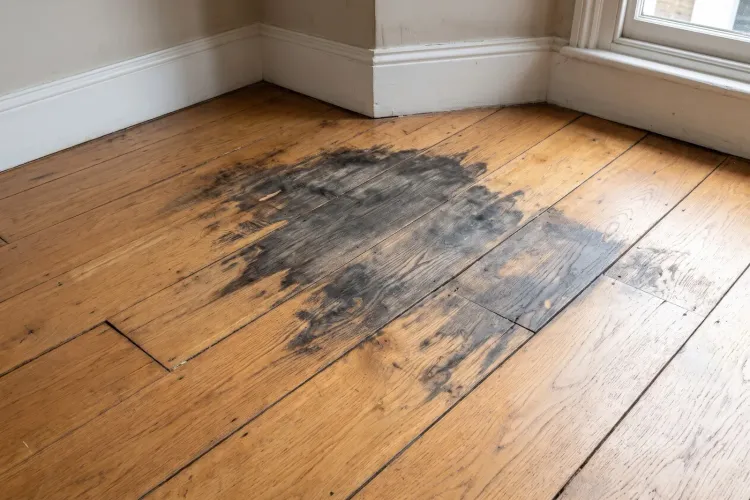
A dark mark is not always superficial. Stains may penetrate the wood, while standing water or persistent moisture can cause cupping, swelling, movement and deterioration below the finish.
Sanding should not be used to disguise an unresolved leak or damp problem. The moisture source needs to be identified and corrected, and the floor must be assessed before refinishing. Some staining can remain after sanding; severely damaged sections may need replacing.
Squeaks and movement can indicate loose fixings, gaps or subfloor problems. Sanding changes the surface, not the underlying cause of movement.
Before recommending a resand, it may be necessary to secure boards, investigate the subfloor or carry out local repairs. Sanding an unstable floor can leave the original problem unresolved.
Yes. Solid timber flooring can sometimes be sanded more than once, but the safe number of sandings depends on its thickness, construction and previous work.
Engineered wood has a real timber top layer bonded to a supporting core. Whether it can be sanded depends on the actual thickness and condition of the wear layer, not simply on whether the floor is described as engineered. Some engineered floors should not be mechanically sanded at all.
If you do not know what type of floor you have, identifying it is part of the assessment. Our guide to solid versus engineered wood flooring explains the main construction differences.
Parquet presents additional considerations because individual blocks may be loose, missing or uneven. If the blocks are sound and securely fixed, sanding may be an option. Where sections have lifted or deteriorated, repair or replacement of the affected blocks may be needed first.
For patterned timber flooring, see parquet floor restoration. The aim is to retain sound original material where practical rather than assume the whole floor has to be replaced.
Consider a repair-led approach when:
Repair and sanding are not mutually exclusive. A floor may need local board repairs first, followed by sanding and refinishing of the sound surrounding area. The scope should be confirmed after inspection, not assumed from photographs alone.
Some floors cannot be restored economically or safely. Replacement may be more appropriate when there is extensive rot, widespread structural deterioration, insufficient remaining timber or an engineered wear layer too thin for sanding.
Persistent damp must be addressed before installing a replacement floor as well. Otherwise, the same underlying problem may affect the new material.
It is worth checking the extent of damage carefully: replacing a few boards is not the same as replacing an entire floor.
A useful assessment considers:
Photographs can help with an initial discussion, but they may not reveal hidden moisture, board thickness or problems beneath the floor.
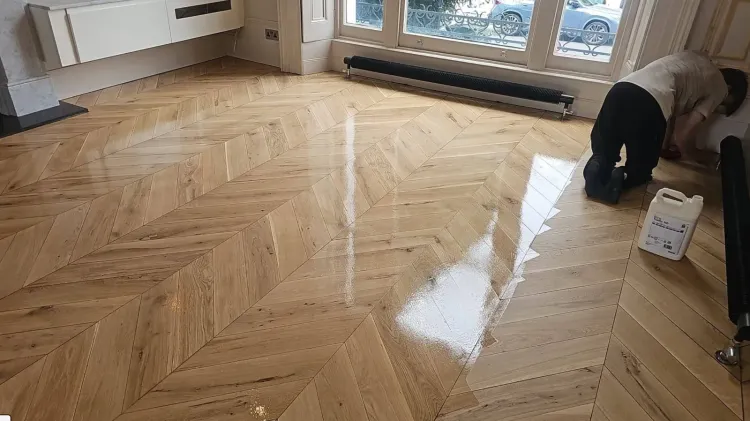
A freshly sanded wooden floor needs an appropriate protective finish. Oil and lacquer have different appearances, maintenance requirements and curing times, which depend on the product and site conditions.
If you are deciding between them, read our guide to oil versus lacquer for wooden floors. The chosen finish and any repairs should be included clearly in the quotation.
It can improve some scratches, but deep gouges may require targeted repairs or board replacement. Excessively deep sanding can damage an otherwise sound floor.
Not until the source and extent of moisture damage have been assessed. The underlying issue must be resolved, and damaged timber may need to be repaired or replaced before refinishing.
Some engineered floors can be sanded, but others cannot. The thickness and condition of the real-wood wear layer determine whether sanding is appropriate.
No. Squeaks generally need a separate investigation and may require securing boards or addressing the subfloor.
No. Some floors benefit from local repairs or maintenance instead. A full resand is appropriate only where the condition and remaining timber justify it.
If your wooden floor has scratches, loose boards, dark stains or other damage, describe the problem and tell us the floor type and approximate area. Photographs and your London postcode can help us discuss whether repair, sanding or replacement may be appropriate.
Explore our wood floor sanding service, floor repairs or wood flooring prices for the next step. A final quotation should reflect the floor's condition and the agreed scope of work.