Wood Floor Sanding: Methods, Prices & Finishes

Professional wood floor sanding and restoration across London for suitable solid wood, parquet and engineered flooring. Careful assessment, dust extraction and clear quotations.

Experience
20+ Years of Floor Sanding Experience in London
Floor Assessment
We inspect the timber, existing finish and wear, and explain the preparation and options before quoting.
Professional Dust Extraction
Professional dust-extraction equipment helps minimise dust during sanding, although some dust may still be produced.

Professional Wood Floor Sanding in London

Wood floor sanding in London is suitable for many worn solid timber floors, traditional floorboards and parquet floors, and for some engineered wood floors after inspection. S Wood Floor assesses the timber, its construction, previous sanding and existing finish before recommending a method. Our aim is to restore a suitable wooden surface without removing more material than necessary.

For an overview of our floor sanding services in London, visit the S Wood Floor homepage. This page explains the sanding methods, suitability checks, pricing and finishing choices in more detail.

Professional floor sanding removes a controlled layer of wood and worn surface coating. It may improve scuffs, shallow scratches, dull finishes and uneven-looking surface wear. Deep staining, damp-related damage, unstable boards and severely worn timber do not always disappear with sanding; those problems may require wood floor repairs or a different treatment.

Wooden floor sanding, refinishing and restoration: what is the difference?

Sanding prepares sound timber by carefully removing an appropriate surface layer. Refinishing covers the preparation and application of the chosen protective coating, such as lacquer, oil or hardwax oil. Wood floor restoration may also involve stabilising boards, repairing damaged sections, replacing missing parquet blocks or filling suitable gaps before the surface is sanded.

A floor with a sound coating and lighter signs of wear may need wood floor care and maintenance rather than a full resand. Conversely, loose parquet blocks, water damage and structural problems may require our dedicated parquet floor restoration or wood floor repair services. We recommend an approach after assessing the actual floor.

Types of wooden floors we assess

We consider original pine floorboards, solid oak and other hardwood flooring, parquet and herringbone patterns, timber stairs and landings, and suitable engineered wood floors. An engineered board can be sanded only where its real-wood wear layer and overall construction allow it; some veneers are too thin. Laminate flooring cannot be sanded in the same way as real timber.

We use professional dust-extraction equipment to reduce airborne dust, but some dust may still be produced. Preparation, edging, sanding abrasives and the agreed finish are tailored to the surface and confirmed in the quotation.

Floor sanding starts from £35 per m² for sanding only. Protective finishing, including lacquer, oil and hardwax oil, is quoted separately. The total price is confirmed for the agreed scope. The total may depend on area, timber condition, access, repairs, preparation, finishing products and optional staining. Our floor sanding prices and quotation guide explains what affects the cost. Contact S Wood Floor to discuss an assessment.

Wood Floor Renewal

Explore the visual transformation of this wooden floor, revealing its natural colour and character.

How we work
Our Floor Sanding Process
Assess the Floor
We check flooring type, condition, previous coatings and suitability for sanding before agreeing the scope.
1
Plan Room Preparation
We discuss furniture, access and any board repairs or gap filling needed before work begins.
2
Sand with Dust Extraction
Where suitable, we sand the timber using professional equipment and dust extraction, allowing for some dust and normal site disruption.
3
Finish to the Agreed Specification
We discuss suitable lacquer, oil or hardwax oil systems and any optional staining; the agreed finishing work is confirmed in the quotation.
4
Inspection and Aftercare
We review the completed floor, explain drying and curing requirements, and give guidance on furniture return and cleaning.
5
Suitability depends on timber construction, wear layer and existing floor condition.
What Can Be Sanded?
Solid wood floors
Parquet floors
Suitable engineered wood (after inspection)
Floor sanding equipment on a wooden floor during restoration
Timber stairs and landings

Floor Sanding and Refinishing: Process, Cost and Frequently Asked Questions

Orbital, Multi-Disc and Belt Sanding: Which Method Is Appropriate?

The most suitable sanding method depends on the construction of the floor, the amount of sound timber remaining, previous sanding and the condition of its coating. On suitable floors, orbital or multi-disc machines can be useful for controlled abrasion, blending and fine preparation. Belt sanders may be appropriate when an older coating must be removed more substantially or the timber needs careful levelling. The abrasives and sequence are chosen after assessing the actual floor; neither machine type is automatically best for every job.

Customers have described Stefan using an orbital sander on previously sanded wood floors. That practical example illustrates why assessing the remaining timber matters before choosing a method. Professional extraction helps control airborne dust, but it cannot guarantee a completely dustless site.

Choosing a Wood Floor Finish After Sanding

Lacquer (also called varnish), oil and hardwax oil protect timber in different ways, and suitability depends on the wood, room use, existing coatings and maintenance preferences. The published £35/m² starting price covers sanding only; application of the chosen protective finish is quoted separately. The coating, preparation required and number of coats are agreed as part of the quotation.

A published customer review describes Bona Traffic being used for a maple floor after sanding. This is an example of an actual reviewed project, not a promise that the same product is suitable for every floor. For advice on finishes see wood floor sealing and our oil or lacquer guide. Drying and full curing are different: walking, furniture and rug timings depend on the selected manufacturer's product instructions and site conditions.

How Many Times Can a Wooden Floor Be Sanded?

There is no universal number. The safe number of resands depends on original board thickness, remaining wear layer, previous treatments, fixing positions and the floor's condition. Engineered wood can have a thin real-wood surface, which may make further sanding unsuitable. We assess the floor and may recommend compatible maintenance rather than another resand when preserving the timber is the better approach.

How is a wooden floor professionally sanded?

The process begins with a floor assessment: we look at the timber type, stability, surface wear, old coatings and any previous sanding. We then agree the preparation and scope. Where suitable, the floor is sanded using appropriate abrasive stages and careful edge work before application of the selected lacquer, oil or hardwax oil finish. Any repairs, gap filling or staining are discussed separately when needed. Our work plan and quotation specify what is included.

Can you sand original pine floorboards and oak floors?

Many original pine floorboards in London period properties and suitable solid oak or hardwood floors can be sanded. Results depend on the amount of sound wood left, board movement, protruding fixings, splits and the history of previous sanding. We check whether boards need securing or repairing before proposing sanding. We do not promise that every uneven board or deep mark can be removed.

Can engineered wood flooring be sanded?

Sometimes. Engineered wood has a real-wood surface over a core, but its wear-layer thickness varies. Thin veneers, factory finishes, previous sanding and damage can make further sanding unsuitable. We inspect the floor and consider the manufacturer's instructions where available. Laminate floors do not have the sandable real-timber surface required for this process.

Can parquet or herringbone floors be sanded?

Sound solid parquet, herringbone and other wooden block floors may be suitable for sanding and refinishing. Loose blocks, failed adhesive, gaps, historic repairs and changes in timber grain direction need special attention. If parquet blocks are missing, moving or badly damaged, review our parquet floor restoration service first. It covers the repair-related intent without creating a competing parquet sanding page.

Is floor sanding completely dust-free?

No. Professional sanding with dust extraction is designed to minimise dust, not eliminate it altogether. Some dust may still be produced around edges, corners and preparation work. We explain practical precautions for furniture, adjacent rooms and access before starting. We do not claim that sanding produces no dust or disruption, as some dust and normal site disturbance may remain.

What preparation is needed before wood floor sanding?

Preparation varies with the room and condition of the boards. We discuss moving furniture, removing rugs, access arrangements, existing flooring or coatings, pets, ventilation and other occupied-room considerations. Loose boards, protruding nails or damaged parquet may need attention before sanding. Items such as furniture removal or extensive repairs are only included when expressly agreed in the quotation.

Which floor finish is best: lacquer, oil or hardwax oil?

A suitable finish depends on the timber, the look you prefer, foot traffic and how the surface will be maintained. Lacquer or varnish provides a protective surface coating in a choice of sheen levels. Oil and hardwax oil systems can give a different appearance and repair or maintenance approach. Compatibility with old treatments matters. We discuss wood floor sealing and, where a colour change is desired, optional floor staining.

Can sanding remove scratches, water stains or dark marks?

Sanding can improve many shallow scratches, a worn coating and some surface discolouration. Deep dents, staining that penetrates the timber, moisture-related damage and defects in the floor structure may remain. It is important to distinguish cosmetic refinishing from wood floor repairs or replacement of severely damaged sections. We explain the likely limitations when assessing the floor.

How much does floor sanding cost per m² in London?

Our published starting rate is from £35 per m² for sanding only. Lacquer, oil, hardwax oil and other protective finishing are quoted separately. It is a guide rather than a fixed price for every property. The quotation depends on floor area, number of rooms, existing coatings, condition, access, repairs and the chosen finish. Extra gap filling, staining or repairs may affect the scope. See the wood flooring price guide for more information about prices and quotations. We do not compare competitors' headline rates without checking what preparation and coats are included.

How long does floor sanding take and when can furniture return?

The time needed varies by area, timber condition, repairs, sanding stages and the finishing product. Surface drying and full curing are not the same thing. A coating may permit limited use before heavy furniture, rugs or routine cleaning are appropriate. The manufacturer’s instructions and on-site conditions determine the guidance for walking on the floor and returning furniture. We explain the timetable for the agreed finish.

Can you sand wooden stairs and landings?

Suitable wooden steps, landings and narrow hallways can be assessed for sanding and refinishing. Work around stair nosings, edges, spindles or existing coatings can require extra preparation and manual detail work. Staircases are assessed separately because a simple room-area calculation may not describe the labour involved.

Is polishing or recoating enough instead of full sanding?

A compatible maintenance treatment may be preferable if the existing timber and coating are sound and the wear is superficial. Full sanding is more appropriate when the finish is sufficiently worn or surface damage requires removal of a controlled layer of wood. See floor care and maintenance for less invasive options. A short description of the floor and photographs can help identify what assessment is needed.

Do you provide floor sanding for commercial premises?

We consider suitable timber floors in offices and other commercial environments. The choice of finish, foot traffic, access and scheduling must be assessed for each project. Commercial requirements and any additional preparation should be agreed rather than assumed. Read about our commercial flooring services or request a project quotation.

How should I care for newly refinished wood floors?

Follow the curing and cleaning advice given for the exact lacquer, oil or hardwax oil used. Avoid standing water, remove abrasive grit and use cleaners compatible with the new finish. Rugs, furniture and intensive use should return only when the finish is sufficiently cured. For longer-term upkeep, see wood floor maintenance in London.

Is sanding better than replacing an old timber floor?

If sufficient sound timber remains, sanding and refinishing may preserve much of an original floor. When boards are severely damaged, unstable or too thin, targeted repairs, parquet restoration or replacement may be more appropriate. The right recommendation depends on assessment, not a blanket promise that every old floor can be restored.

Looking for professional floor sanding in your part of London? Please tell us the postcode, approximate area, timber type and condition through our contact page so we can discuss the appropriate next step.

Further reading

Practical advice for your wooden floor

Why Choose S Wood Floor?
Wood floor specialists offering careful surface assessment, dust-controlled sanding and practical guidance on finishes and aftercare across London.
20+ Years of London Experience
Experience sanding and restoring appropriate solid timber, parquet and engineered wood floors in London.
Professional Dust Extraction
Professional extraction equipment helps reduce airborne dust during sanding, although some dust may still be produced.
Clear Scope and Quotation
We explain the agreed sanding, any repairs or gap filling, finish specification and optional staining before work starts.
Finish and Aftercare Advice
We recommend compatible finish options and explain drying, curing and appropriate ongoing maintenance.
Gallery
Our Recent Floor Sanding Projects Across London
Worker sanding wooden stairs during staircase restoration
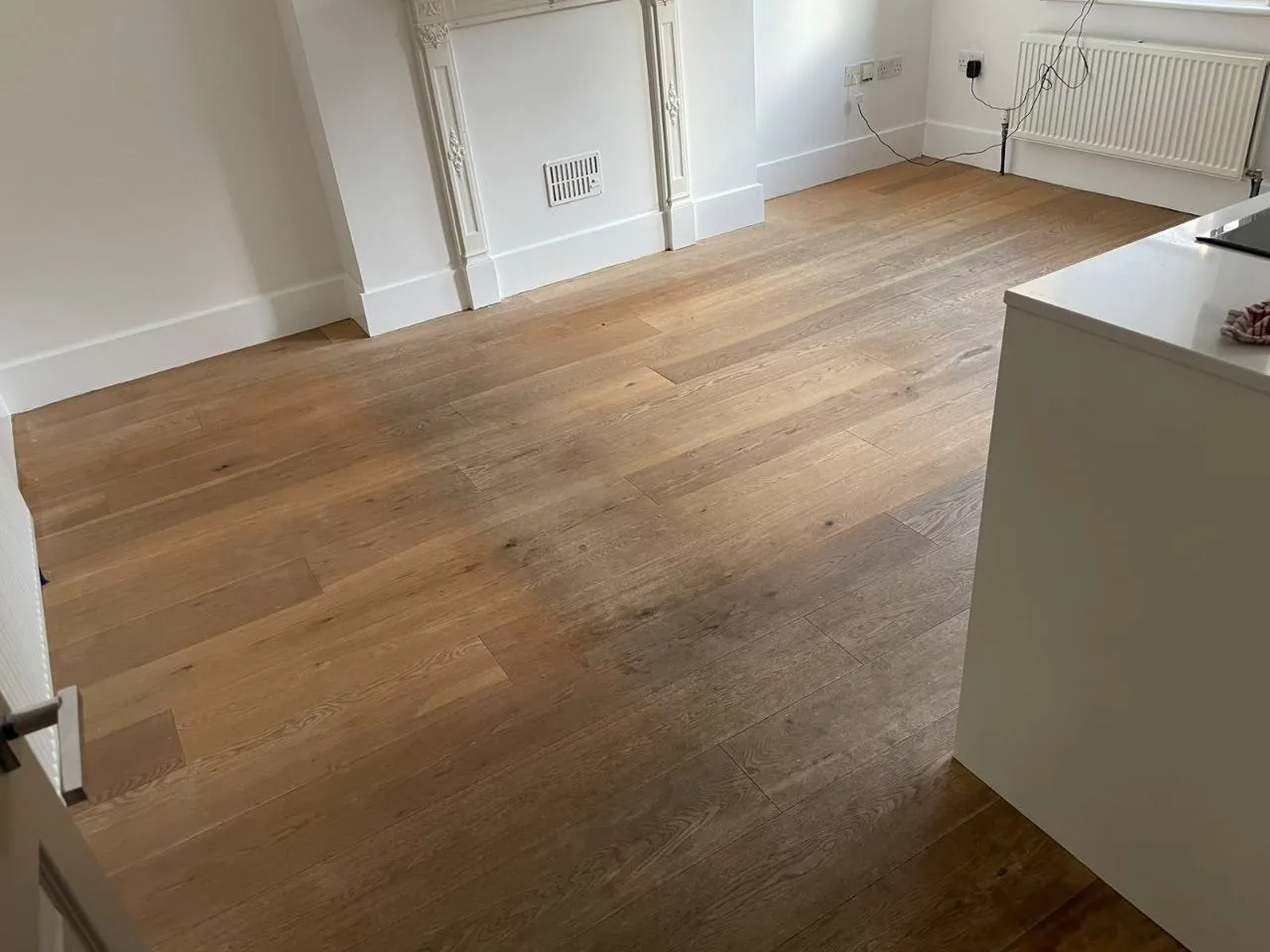
Floor Sanding of a Flat in London
Floor sanding equipment on a wooden floor during restoration
Elevating a Small Room with Natural Lacquer Colour
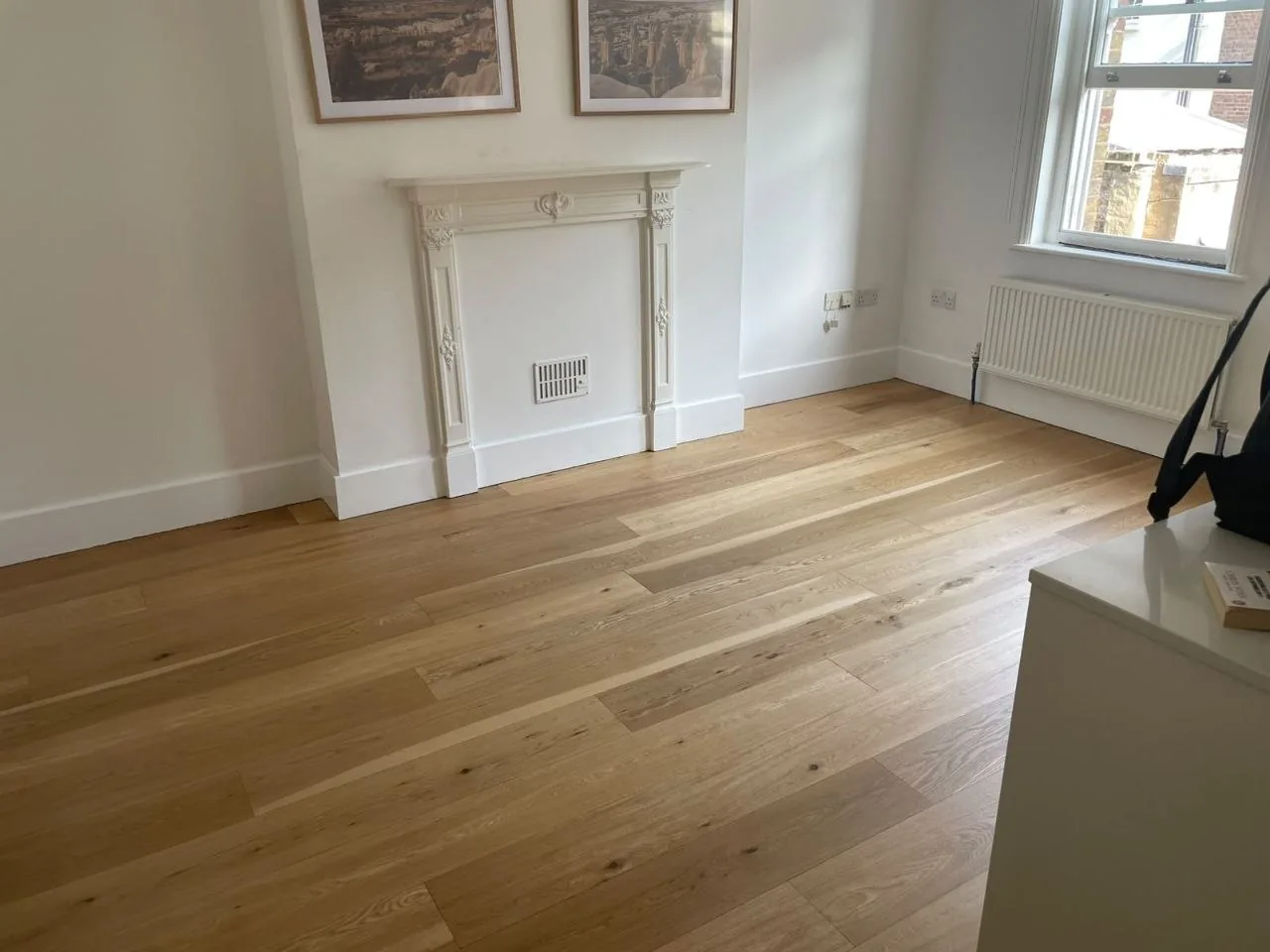
Restored wooden flooring in a room with a fireplace
Very difficult project on Grove Green Road
Natural wooden floorboards in a residential room
First floor flat in old Victoriana house
Wood Floor Sanding Across London

Professional Floor Sanding Across London

S Wood Floor handles enquiries for London floor sanding, wooden floor refinishing and suitable timber floor restoration. Our service includes assessment of original floorboards, oak and other hardwood floors, parquet and engineered boards where their construction permits sanding. Whether a project involves a single room, stairs or a larger property, the specification is tailored to the existing floor.

We consider enquiries from areas including Dagenham and Maida Vale, as well as other parts of Greater London, subject to location, work scope and availability. Local property types and previous alterations can affect preparation, so we do not assume that every floor in a neighbourhood requires the same treatment. We do not claim staffed premises in every area we serve.

For damaged boards, see wood floor repairs. For loose or missing parquet blocks, see parquet floor restoration. For a compatible refresh of an existing finish, see floor care. Full starting-price information and quotation factors are on our wood flooring prices page.

If you are searching for floor sanding near you in London, contact us with your postcode and a description of the timber. We can discuss whether sanding, refinishing, targeted repairs or another treatment merits an assessment.

Explore floor repairs, gap filling, staining, sealing and maintenance for suitable wooden floors.
Other Floor Services
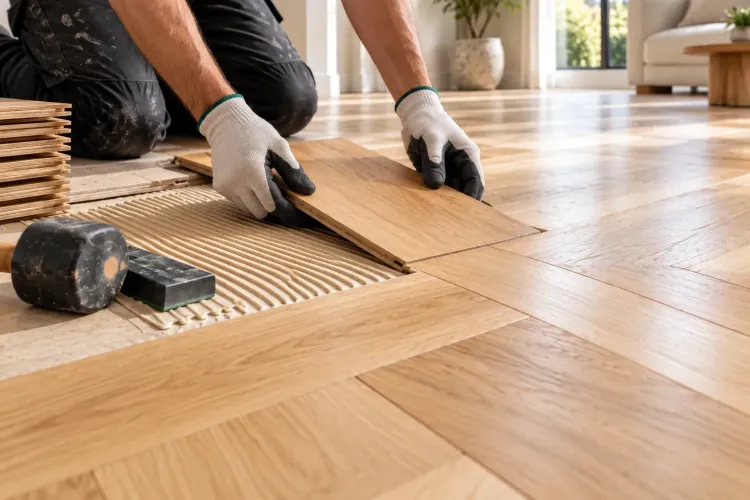
Worker fitting oak floorboards into adhesive on a wooden floor
Floor Fitting
from £35 per sq.m
Professional floor fitting for all wood types. Precise installation, seamless finish, and long-lasting durability across London.
Floor Fitting
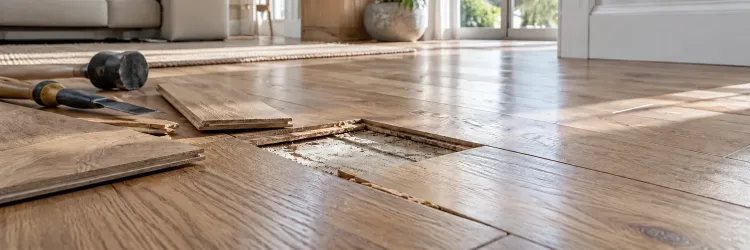
Damaged wooden floorboards lifted for repair, with tools alongside
Floor Repairs
£45 per hour labour work
Expert floor repair for damaged or worn wood flooring. We fix scratches, gaps, and stains, restoring beauty and strength to your floors.
Floor Repairs