Can Wood Floors Be Recoated Without Sanding?
An intact wooden floor finish may be recoated without full sanding. Preparation, compatibility and adhesion still matter.
A wooden floor that feels sticky after cleaning usually has something left on its surface. The most common causes are too much cleaning product, dirty mop water, or a product that is not suited to the floor's finish, such as a polish or soap that builds up over time. On oiled floors, maintenance oil that was applied too thickly or not buffed off can stay tacky. Less often, stickiness points to a finish that has not cured properly or has started to break down. Working out which applies to your floor starts with two questions: what is the finish, and what has been used on it recently?
Before changing your cleaning routine or buying another product, note:
Using more concentrate than the label recommends does not make a floor cleaner. Excess detergent can dry into a thin film that feels tacky and attracts dirt. If the product is meant to be diluted, measure it rather than pouring by eye.
Once mop water is cloudy, each pass spreads dissolved dirt and old residue back across the floor. A mop head or pad that has not been washed thoroughly can do the same. Fresh water, or a clean microfibre pad for each room, often makes a noticeable difference.
General household cleaners, furniture polishes, oil soaps and some "wood shine" products can leave residues on floor finishes that were not designed for them. Silicone and wax-based products are a particular concern on lacquered floors. Beyond the sticky feel, such contamination can complicate later recoating. For example, the Bona Prep technical data sheet excludes floors that have been waxed, polished or oiled from that specific preparation system. This does not mean every contaminated floor must always be fully sanded; the available options depend on the coating, the contaminant and the manufacturer's approved cleaning and preparation process.
If the floor was supplied with a manufacturer's care guide, follow the products and dilutions it recommends.
Some maintenance polishes are designed to be applied periodically and leave a thin layer each time. Over many applications, or if used more often than recommended, these layers can build up unevenly, feeling tacky in some areas and looking patchy in others.
Oiled and hardwax-oiled floors are often refreshed with a maintenance oil. These products are designed to be applied very thinly and worked into the surface. Osmo, for example, states that extended drying times and sticky surfaces are often the result of over-application: when oil is applied too thickly, little penetrates the wood, and the surplus stays on the surface where it attracts dust and dirt and can wear more quickly.
If a maintenance oil was applied recently and the floor is tacky in places, over-application or insufficient buffing is a strong possibility.
A newly applied lacquer or oil may feel dry to the touch long before it has fully cured. Cold, damp or poorly ventilated rooms slow this down further. Cleaning a new finish too early, or putting rugs and furniture back too soon, can leave marks and a tacky feel. The correct timings depend on the product, so check the manufacturer's guidance or ask the contractor who applied it.
High humidity or condensation may delay drying of a recently applied cleaning or finishing product. A floor that remains damp or tacky should be assessed for excess moisture as well as product residue; humidity alone is not a reliable diagnosis.
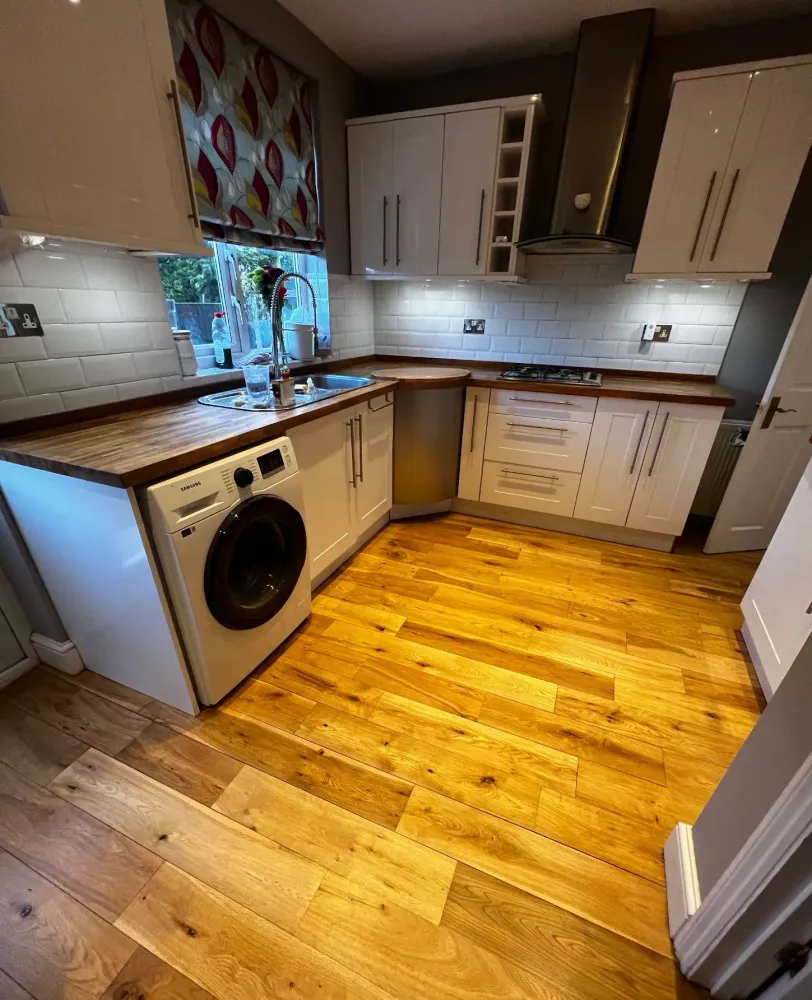
Drinks, juice and food spills can leave a sticky patch even after a general mop, especially in kitchens and dining areas. These usually respond to targeted cleaning with a suitable floor cleaner.
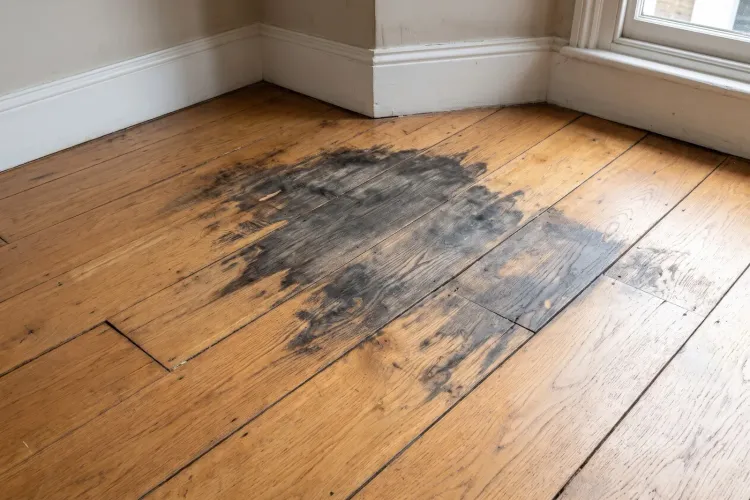
Occasionally, stickiness is a sign that the finish itself is softening or failing, perhaps because of an incompatible product, heat, or previous over-application. Signs include a surface that smears when rubbed, turns white or cloudy, peels, or stays tacky regardless of cleaning. This needs professional assessment rather than more cleaning.
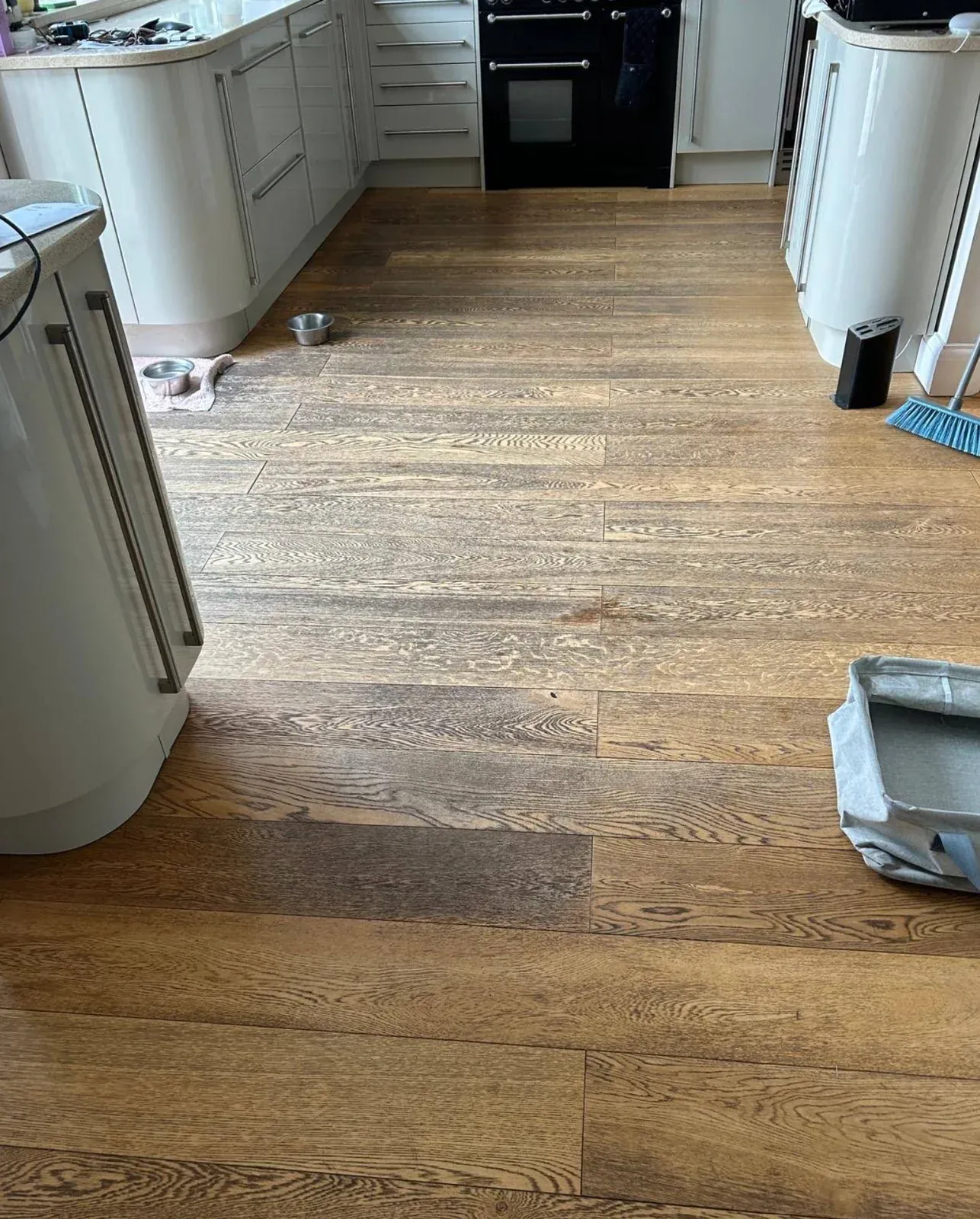
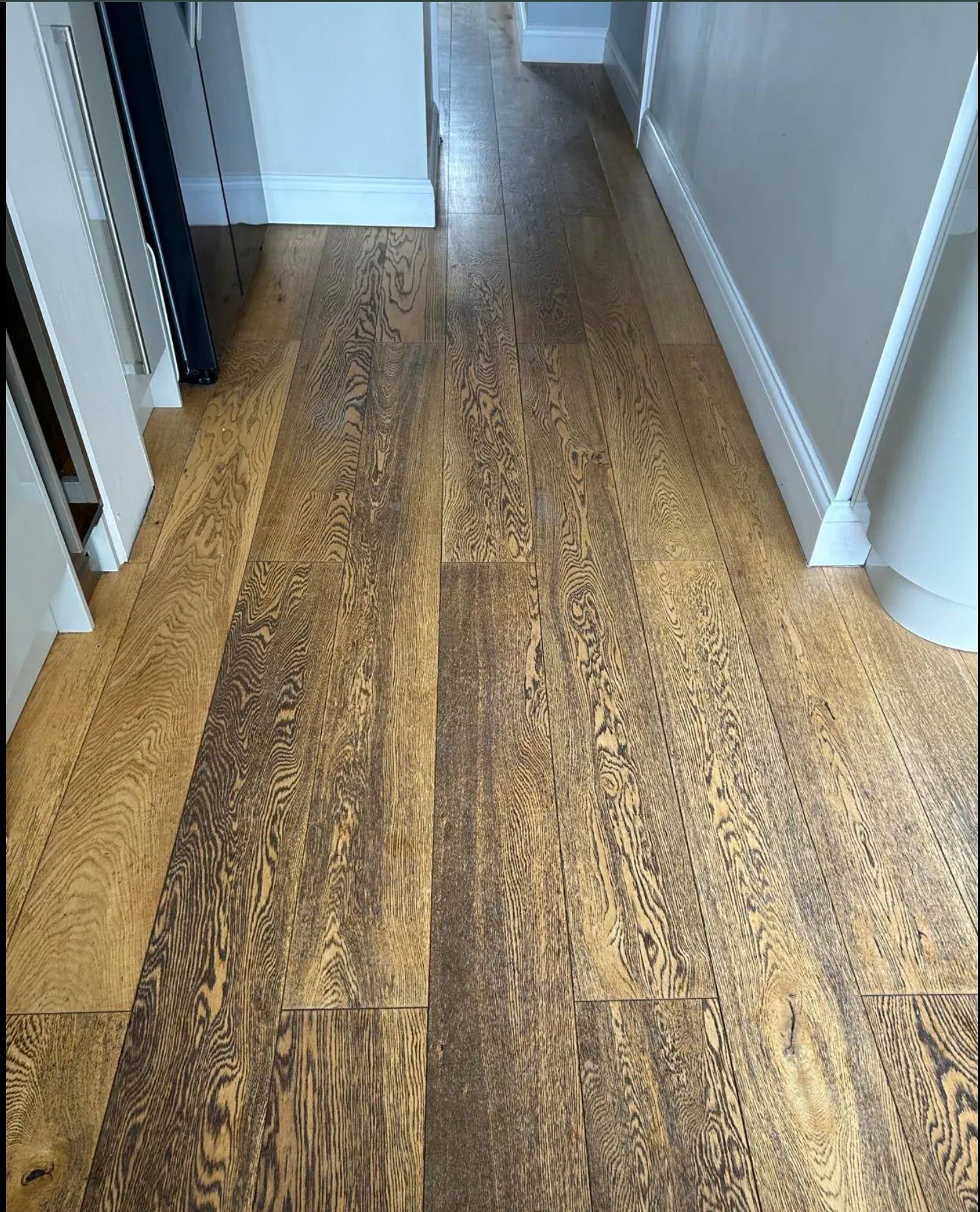
Keep any self-assessment gentle and reversible:
Avoid steam mops, very wet mopping, solvents, strippers and abrasive pads unless a professional has confirmed they are appropriate for your floor. These can damage finishes, raise the grain or force water into joints.
It is worth asking for professional advice if:
Our article on seasonal wood floor care covers everyday routines that help prevent build-up in the first place.
Some sticky floors improve after the cleaning routine is corrected, but where residues have built up or the finish itself is affected, professional assessment and compatible maintenance may be needed. S Wood Floor can identify your floor's finish, assess the surface and explain whether cleaning, maintenance oiling, a protective coat or more extensive work is appropriate. Find out more about our wood floor maintenance service in London.
Usually because cleaning product or dirty water has dried on the surface. A finish-approved cleaning product, the correct dilution and a clean mop may help. Do not wet-clean an unknown, damaged or unsealed floor.
Yes. Polishes not designed for floor finishes can leave residues, and wax or silicone-based products can make future recoating of a lacquered floor more difficult.
The most common reason is that too much oil was applied or the surplus was not buffed off. Low temperatures and humidity can also slow drying. Follow the oil manufacturer's guidance or ask a professional.
It is not generally recommended. Steam and excess water can damage finishes and push moisture into joints. Check the flooring and finish manufacturer's guidance.