When Should Floor Sanding Happen During a Renovation?
Sanding too early means the floor gets damaged by other trades; too late can delay moving in. How to fit floor sanding into the order of a renovation.
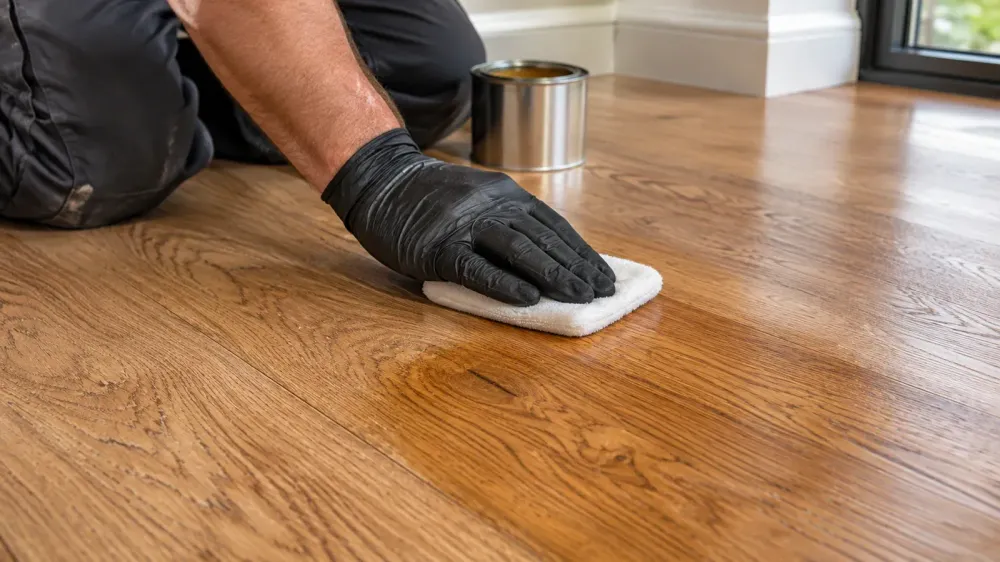
An oiled wooden floor should be re-oiled when it shows wear, not on a fixed date. In practice, a busy hallway or kitchen may need a maintenance coat within a year, while a bedroom can go several years. The product on the floor sets the method, so the first step is confirming the floor is oiled at all, and which system was used. Re-oiling is a maintenance treatment on a sound floor; it does not replace sanding where the finish has worn through to damaged timber.
"Oiled" covers several different finishes:
All of these look different from lacquer, which forms a film on top of the wood. Lacquered floors are not re-oiled; they are cleaned, and when worn they are recoated with a compatible lacquer. Applying oil over lacquer will not soak in and leaves a sticky, smeary surface.
If you are not sure what is on your floor, look for installation paperwork, ask whoever finished it last, or have it assessed. Signs of an oiled floor include a natural, low-sheen look and water that darkens the timber slightly if left (do not test this on an area you are unsure about or that is already damaged).
Look at the floor in raking light and compare busy routes with quiet corners:
Be careful not to confuse wear with dirt. A build-up of cleaning residue or old maintenance product can make a floor look dull or feel tacky. Our guide to why a wooden floor feels sticky after cleaning explains how to tell the difference. Often a deep clean with the finish manufacturer's intensive cleaner is the right first step, followed by maintenance oil only where it is still needed.
Finish manufacturers tie maintenance to wear rather than to a calendar. Osmo UK, for example, says that its Polyx-Oil finish should be topped up when the water repellence of the floor has reduced, and that in busy domestic entrance areas this may be every four to five months, or up to a year, depending on traffic.
As a broad guide, you can expect:
| Area | Typical wear | Likely maintenance need |
|---|---|---|
| Entrance halls, kitchens, routes to garden doors | Grit, water, heavy footfall | Most often; check every few months |
| Living and dining rooms | Moderate footfall, furniture movement | Check annually |
| Bedrooms and studies | Light footfall | Less often; spot maintenance when needed |
| Commercial floors | High and continuous footfall | Planned maintenance schedule agreed with the finish system |
Treat these as starting points. Pets, children, outdoor shoes, under-floor heating and how the floor is cleaned all change the picture. Maintenance can also be local: re-oiling a hallway and the kitchen run without touching the rest of the house is normal for an oiled floor.
A maintenance coat refreshes the surface without removing timber. The usual sequence is:
Excess oil is a common cause of problems. Oil left sitting on the surface does not soak in, stays tacky and attracts dirt. Oil-soaked cloths and pads can also self-heat as they dry, so follow the manufacturer's disposal instructions.
Sanding becomes necessary when re-oiling cannot fix the problem: grey or black bare timber, deep scratches, water damage below the finish, or a floor that has been over-oiled and contaminated for years. In that case the old finish is removed, the floor is sanded back to clean timber, and a new oil or lacquer system is applied.
For seasonal points such as humidity and sunlight, see our seasonal wood floor maintenance tips.
No. Lacquered floors and many factory-finished boards have a film finish and need a compatible cleaner and, eventually, a lacquer recoat rather than oil.
Usually yes, if the existing finish is an oil or hardwax oil, the floor is clean and the maintenance product is compatible with what is already there. Sanding is needed only when the wear or damage goes deeper than the finish.
It is safest to use the maintenance product made for the original system. Mixing products can affect drying, adhesion and appearance. If the original product is unknown, test on a small, inconspicuous area first or get advice.
If you are unsure whether your floor needs a maintenance coat or a fuller refinish, contact us about floor maintenance. Tell us the existing finish if known and describe the worn areas; we can arrange how to share photographs. Our wood floor care and maintenance service can help identify suitable options.
Tell us about your floor and what you would like to achieve. We can discuss suitable options and your requirements.